From Weekend Demo to Monday Deploy: The Hackathon Pipeline GDG Pune Perfected
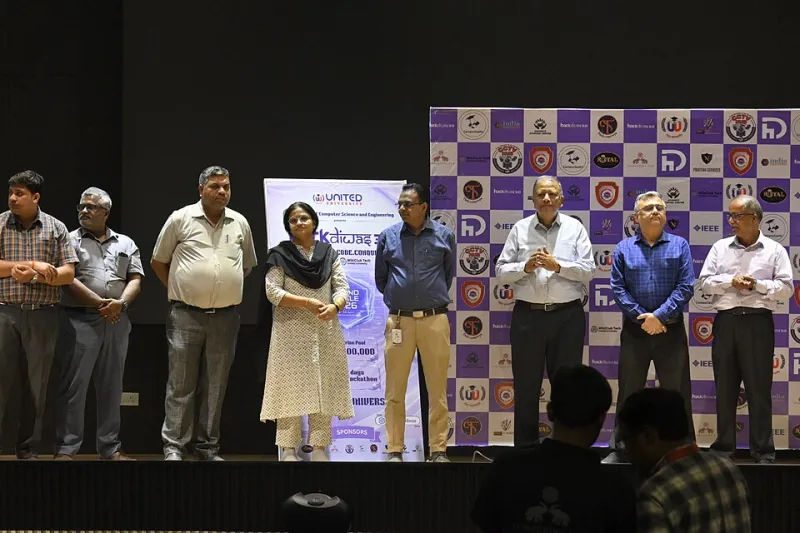
Photo: Shadabgdg, CC BY-SA 4.0, via Wikimedia Commons
Ask any US engineering leader about hackathons and you'll get the same wistful shrug. Great for morale, they'll say. Terrible ROI. The demos are flashy, the pizza is free, and by Wednesday the winning project is a README and a dream.
The team behind GDG Cloud Pune got tired of watching good code evaporate, so they rebuilt the hackathon from the ground up — not as a competition, but as the first sprint of a longer run. The result: a steady stream of weekend prototypes that graduated into production tooling, including a queue-monitoring dashboard now used daily by a logistics startup and a cost-anomaly alerting script that's saved more than one team from a surprise GCP bill.
Here's how the pipeline actually works, and what US organizers can steal from it.
Scope Discipline Starts Before the Clock Does
The single biggest killer of hackathon code isn't bugs — it's ambition. Pune's events start with a mandatory scoping hour where teams must answer one question in writing: what is the smallest version of this that a real person would use on Monday?
If the answer involves the word "platform," the team revises. Organizers literally reject over-scoped pitches, which sounds harsh until you see the effect: teams spend their 48 hours shipping one narrow, working thing instead of half of five ambitious things. US hackathons tend to reward spectacle; Pune's reward completability.
Cloud-Native Scaffolding From Line One
Every project starts on GCP with infrastructure that's already production-shaped: Cloud Run for the app, managed databases instead of SQLite "for now," CI configured before the first commit. The scaffolding is pre-built by mentors during setup day.
This is the part most US hackathons get backwards. They optimize for the demo — localhost, hardcoded config, a laptop held aloft like a trophy. GDG Pune optimizes for the handoff. When a project survives the weekend, there's no rewrite standing between the prototype and production, because it was never a prototype in the architectural sense. It was version zero.
The Post-Event Mentorship Window
Here's the practice that makes everything else stick: the event doesn't end on Sunday.
Every project that wants to continue gets assigned a mentor for a four-week follow-through window — one hour per week, asynchronous by default. Teams set a single milestone: first real user, first deploy to a live domain, first paying customer, whatever fits. Mentors aren't judges; they're launch support.
The data backs it up. Roughly a fifth of Pune hackathon projects survive past the follow-through window, which is dramatically better than the near-zero baseline most US events see. The difference isn't talent. It's that somebody was expecting them on Monday.
Why US Engineering Leaders Should Care
If you run hackathons as recruiting theater, fine — keep doing what you're doing. But if you want hackathon energy to feed your actual product roadmap, the Pune playbook translates directly:
- Enforce scope at intake, not at judging. Small and finished beats big and broken.
- Start on production-shaped infrastructure. Cloud Run and managed services make the demo-to-deploy gap nearly zero.
- Fund the month after the weekend. A few mentor hours per project is cheap; a graveyard of abandoned repos is expensive in morale.
- Measure survival, not applause. Track how many projects have a real user 30 days out. That's your ROI number.
None of this requires budget, headcount, or a Palo Alto zip code. It requires deciding that a hackathon is a beginning, not an event. Pune figured that out with a Slack workspace and a stubborn group of volunteers. Your org has considerably more resources — and considerably fewer excuses.