Stop Treating Global Dev Communities Like Talent Vending Machines
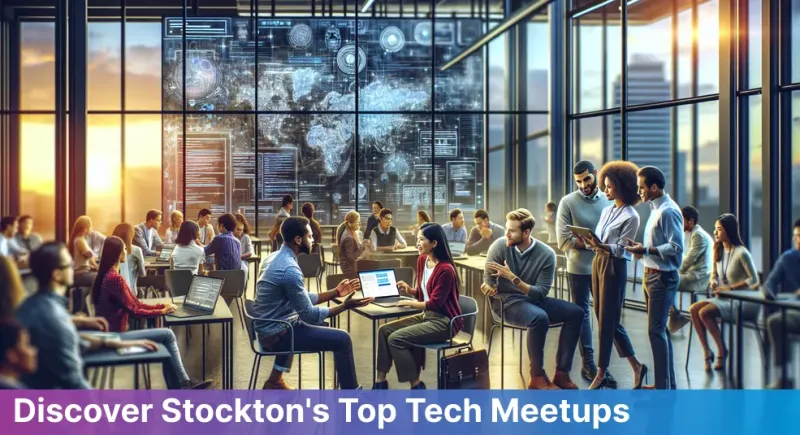
Photo: diverse developers networking tech conference meetup conversation, via storage.googleapis.com
There's a particular kind of talk that shows up at US tech conferences like seasonal allergies: the "global talent insights" session. A recruiter or exec flies in, presents a slide deck about an international developer ecosystem, takes questions for eight minutes, and flies out having extracted exactly what they came for — leads.
I've sat in the audience for a few of these, and something about them always felt off. It took watching how GDG Cloud Pune runs its own events to name the problem: US tech culture keeps treating global developer communities as pipelines instead of peers. Communities like Pune's aren't a resource to be tapped. They're collaborators to be learned from — and in several areas, they're ahead.
The Recruiting-First Reflex
The tell is in the questions. When US organizations engage international dev communities, the questions are almost always extractive: How do we hire from this pool? What's the cost arbitrage? How do we set up an entity there?
Rarely: What is this community figuring out that we aren't? What can we contribute? What do they want from us?
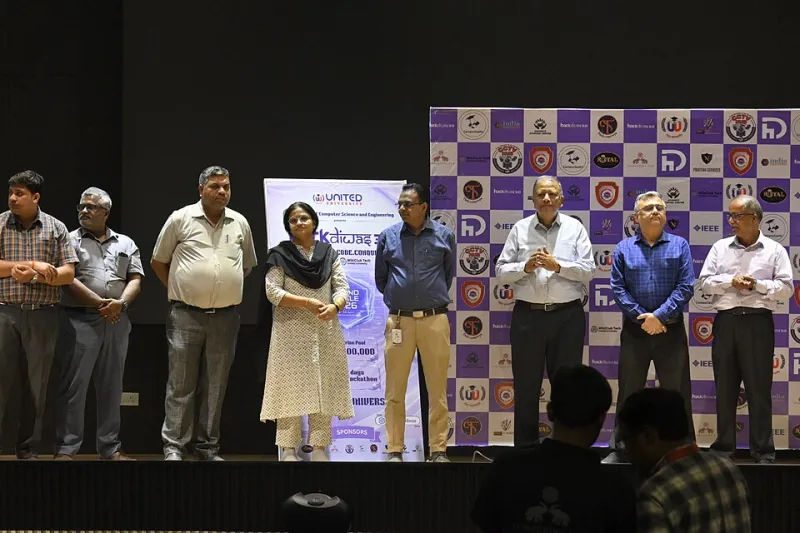
Contrast that with how Pune's community events actually run. Sessions are peer-to-peer — a staff engineer at a local SaaS shares the same stage as a student, and the Q&A is a genuine exchange, not a funnel. US engineers who show up as participants get pulled into study circles, architecture debates, and open source projects. Engineers who show up as scouts get polite answers and zero follow-through. The community can tell the difference instantly, and it has a long memory.
What Peer-to-Peer Actually Buys You
Here's the irony: the recruiting-first approach produces worse recruiting outcomes. Talent flows toward communities that treat engineers as collaborators, and Pune's strongest engineers — the ones US companies most want — have plenty of options and well-tuned filters for transactional interest.
Meanwhile, the engineers who do engage as peers come back with things no recruiting pipeline provides: architectural patterns born of constraint, operational instincts from running systems at scale on shoestring budgets, and a global professional network that compounds over years. Several US-based engineers who attended Pune meetups virtually ended up collaborating on open source tooling — no job offers required, and two of them eventually hired each other.
A Checklist for US Event Organizers
If you want authentic global collaboration instead of a one-way talent extraction, audit your event against this list:
- Put community members on the program as experts, not case studies. If every international speaker is presenting "the talent landscape," you've built a market report, not a conference.
- Send questions in advance and make them reciprocal. Ask what your audience can learn, not just what you can source.
- Fund two-way travel. If your budget flies US speakers out but nobody in, the power imbalance is the message.
- Skip the "where are you from" icebreakers. Open with the work. A developer's geography matters less than their architecture opinions.
- Commit to something beyond the event. A joint open source project, a shared study circle, a co-authored writeup. If your engagement ends when the conference does, it was never engagement.
The Bottom Line
Global developer communities don't need US tech to discover them. They're building, teaching, and shipping whether anyone shows up or not. The choice for US organizers isn't whether to tap these ecosystems — it's whether to show up as a peer or a prospector. One approach gets you a network. The other gets you a LinkedIn scrape. Choose accordingly.